This page is a preview of the Amazon products we expect to see significant discounts on during Black Friday 2026 (November 27) and Cyber Monday (November 30). These picks are based on current catalog ratings, previous Black Friday discount patterns, and product popularity heading into Q4.
We will update this page when Black Friday deals go live as they become available through November.
Black Friday 2026: What to Expect
Based on previous years, the following categories see the deepest discounts:
- Kitchen appliances (air fryers, Instant Pots, coffee makers) - 30-50% off
- Smart home devices (Echo, smart plugs) - 40-60% off
- Portable electronics (speakers, power banks) - 25-40% off
- Home essentials (air purifiers, robot vacuums) - 20-35% off
- Giftable items (blankets, water bottles, LEGO) - 15-30% off
Top 8 Products to Watch for Black Friday 2026
These products have the strongest review history in our catalog and are likely to see meaningful discounts this holiday season.
Ninja AF101 Air Fryer 4QT
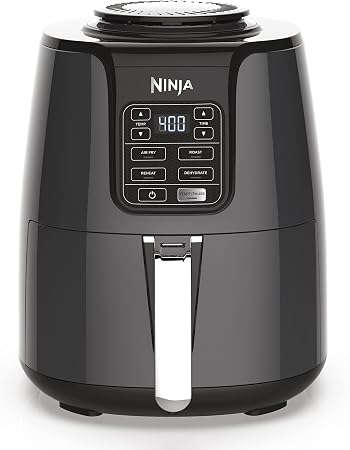
Compact 4-quart air fryer with wide temperature range 105-400F. Dishwasher-safe parts. Perfect for 2-4 people.
- 4 Qt capacity
- 105-400F range
- Dishwasher-safe
LEVOIT Core 300 Air Purifier
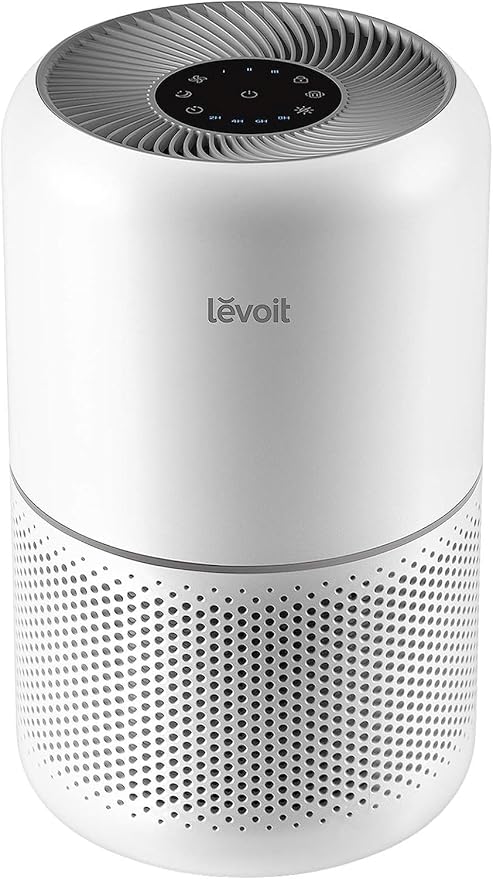
True HEPA 3-stage filtration. Covers 219 sq ft. Ultra-quiet 24dB sleep mode.
- True HEPA filter
- 219 sq ft coverage
- Ultra-quiet 24dB
JBL FLIP 5, Waterproof Portable Bluetooth Speaker, Black, Small
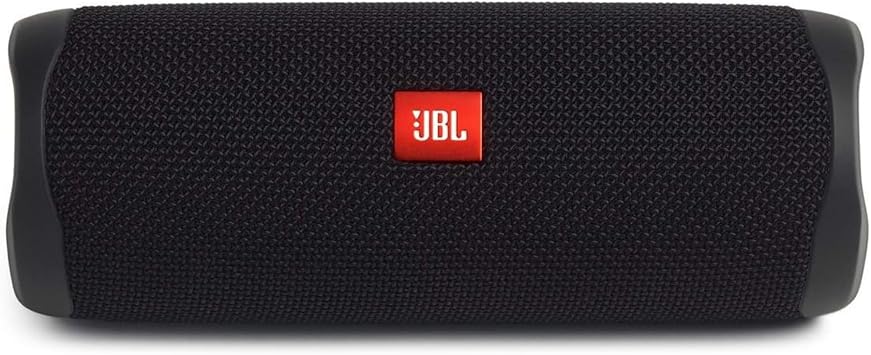
JBL FLIP 5, Waterproof Portable Bluetooth Speaker, Black, Small. Check the current Amazon listing for options and availability.
- Top rated on Amazon
- Verified listing
- Check current availability
See latest price on Amazon
Check Price on Amazon → View Details →Anker 20000mAh Power Bank
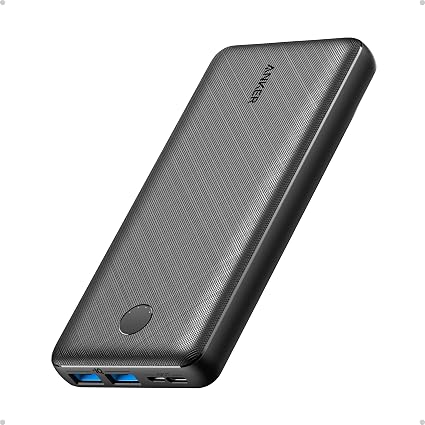
20000mAh high-capacity with 2 USB-A and 1 USB-C port. Charge 3 devices simultaneously.
- 20000mAh capacity
- 3 charging ports
- PowerIQ technology
Instant Pot Duo 6 Quart
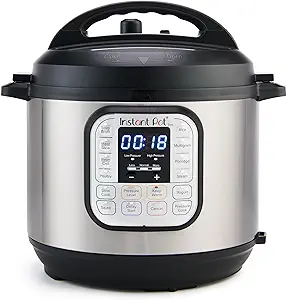
7-in-1 multi-cooker: pressure cooker, slow cooker, rice cooker, steamer, saute, yogurt maker, warmer.
- 7-in-1 functions
- 6 Qt capacity
- 14 programs
Amazon Echo Pop Smart Speaker

Compact Alexa smart speaker with rich sound. Control smart home devices with your voice.
- Alexa built-in
- Rich bass sound
- Smart home control
Barefoot Dreams CozyChic Throw
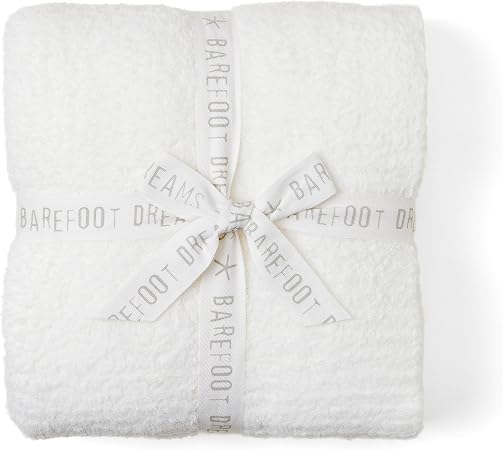
Ultra-soft CozyChic knit throw blanket. Perfect gift for any occasion. Machine washable.
- Ultra-soft CozyChic
- Multiple colors
- Machine washable
70mai A810 Lite 4K Dash Cam Front and Rear, 5GHz Wi-Fi 6 DashCam, Car Camera 4G LTE R
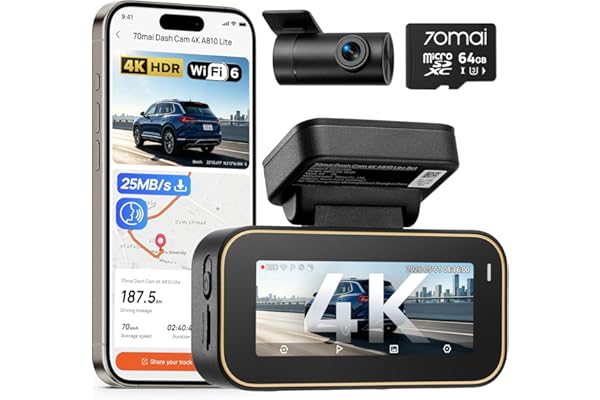
70mai A810 Lite 4K Dash Cam Front and Rear, 5GHz Wi-Fi 6 DashCam, Car Camera 4G LTE Remote Access, GPS Tracking, HDR Night Vision, 24H Parking Mode, Voice Contr
- 4K
- GPS
- Night Vision
Black Friday Shopping Tips
- Start early: Many Black Friday deals now start in October. Do not wait until November 27.
- Check price history: Use CamelCamelCamel or Keepa to see if a "deal" is actually a discount.
- Create alerts: Set up Amazon price drop alerts for products you want.
- Read reviews first: A discounted product is only a deal if it is actually good. Our catalog pages have real ratings from thousands of reviews.
Related Guides
As an Amazon Associate, TopRatedPick earns from qualifying purchases. Prices and availability are subject to change. This page will be updated as Black Friday approaches.
How We Ranked These Picks
A Black Friday preview page is easy to fake. Anyone can list eight popular products, promise huge savings, and collect commissions when readers click through in November. We built this list differently, because the only useful preview is one that tells you what a product is worth before a price tag gets slashed in front of you. If you do not know the normal value, you cannot judge the discount.
So we started with the rating record rather than the deal rumor. For every product on this page we analyzed three things together: the star average, the number of ratings behind that average, and how long the listing has been accumulating those ratings. A high average carries very different weight across tens of thousands of ratings than it does across a few hundred. The JBL FLIP 5 has one of the deepest rating histories on this page. The 70mai A810 Lite dash cam is a newer listing with far fewer ratings so far. Those two records are not on the same scale of confidence, and treating them as equivalent is how shoppers end up disappointed on December 3.
Second, we looked at category discount behavior rather than individual price promises. Kitchen appliances and first-party smart speakers have historically been the most aggressively discounted things Amazon sells in late November. Accessories with thin margins, like third-party cables and generic blankets, move far less. That pattern is the honest basis for a preview. What we will not do is invent a percentage for a specific product. Amazon has not announced Black Friday 2026 pricing, nobody outside Amazon knows it, and any site publishing exact November prices in advance is guessing at you.
Third, we asked whether the product is still worth owning at full price. This is the filter that removes most of the junk from deal roundups. The Instant Pot Duo and the Ninja AF101 are products buyers report using for years, so a discount on either is a discount on something with real service life. A gadget that only makes sense at 60 percent off was never a good product. It was a clearance item with marketing attached.
The Rating Trap in This Category
Deal season is the single worst time of year to trust a star rating, and the reasons are structural rather than conspiratorial.
The first problem is review velocity. Listings that sell tens of thousands of units in one weekend collect a flood of reviews written within days of delivery. Those reviews describe unboxing impressions and shipping speed, not durability. A blender that fails in month seven produces a one-star review in June, long after the Black Friday review wave has already pushed the average up. The average you see in late November is therefore biased toward novelty. This is why review count without a time dimension is misleading, and why we weigh the age of the rating pool alongside its size.
The second problem is the thin sample. The 70mai A810 Lite dash cam on this page carries a perfectly reasonable score, but it rests on a small pool of ratings for a device that has to survive summer heat on a windshield, cold starts, and months of parking mode. With a pool that size, a few hundred more buyers can move the average noticeably in either direction. Compare that to the Instant Pot Duo, one of the most-reviewed kitchen appliances on Amazon. That average is effectively locked. It will not move meaningfully no matter what happens this quarter, which means it is telling you something real about the product rather than something temporary about the reviewers.
The third problem is variation merging. Amazon listings often combine reviews across colors, sizes, capacities, and sometimes across generations of the same product family. A speaker listing can inherit years of praise for an older model. A blanket listing can pool reviews across sizes that feel different in the hand. When you are looking at a near-perfect average in November, check whether the recent reviews are describing the exact configuration you are about to add to your cart.
The fourth problem is the incentive layer. Deal season brings a surge of discount-for-review arrangements, insert cards offering gift cards, and seller follow-up emails that arrive precisely when satisfaction is highest. None of this is visible in the star average. It is visible in the text, where a suspicious cluster of short, enthusiastic, similarly phrased reviews posted within the same week tells you what you need to know.
What Actually Matters When You Buy
Knowing the Real Baseline Price
The single most valuable thing you can do before November 27 is write down today's price for anything you plan to buy. Open the Amazon listing for the Ninja AF101, the LEVOIT Core 300, the Anker 20000mAh power bank, the Echo Pop, or the Barefoot Dreams CozyChic throw, and note the price you see today along with the date. If you record those numbers now, you will be able to evaluate a November banner in about four seconds instead of trusting the strikethrough on the page.
This matters because the comparison price shown next to a discount is not always the price the item actually sold for in recent months. It can reference a list price that few buyers ever paid. A percentage calculated against an inflated reference is arithmetic, not savings. Price history tools exist for exactly this reason, and so does your own notes app.
Watching for Pre-Sale Price Inflation
Some sellers raise a listing's price in the weeks before a sale event so the eventual discount looks steeper. This is a well documented pattern across retail, not a rumor, and it is most common on products from smaller brands where the seller controls pricing directly. The defense is simple and it is the same defense as above: your own recorded baseline. If a product you noted at $45.99 in September appears at $59.99 in mid-November and then drops to $47.99 on Black Friday, that banner announcing 20 percent off is describing a price increase followed by a partial reversal.
Established first-party items are less exposed to this, which is one practical reason the Echo Pop and similar house-brand devices tend to be cleaner deals. The discount is set by the retailer itself against a stable list price.
Whether the Discount Applies to the Configuration You Want
Deal pages routinely advertise the cheapest variant. The 4-quart Ninja is not the 6-quart Ninja. The 6-quart Instant Pot Duo is not the 8-quart. A throw blanket is not a full-size blanket, and the Barefoot Dreams CozyChic throw is listed at 50x70 inches, which is a couch-sized item rather than a bed-sized one. If you click a headline price and then switch the size or color in the dropdown, the discount frequently disappears without any warning. Confirm the price after you have selected your exact configuration, not before.
Total Cost of Ownership, Not Sticker Price
Air purifiers are the clearest example on this page. The LEVOIT Core 300 uses a true HEPA filter, and true HEPA media is rated to capture 99.97 percent of particles at 0.3 microns. That is a genuine standard and a real reason to own one. But filters are consumables, and replacement cartridges are a recurring cost for as long as you run the unit. A 25 percent discount on the machine is worth less than it appears if you had not budgeted for filters at all. The same logic applies to dash cams, which need a high-endurance memory card, and often a hardwire kit if you want parking mode to work the way the marketing describes.
Return Windows and Warranty Timing
Amazon typically extends return windows for holiday purchases, which is genuinely useful if you are buying gifts in November for December. Check the window on the specific listing rather than assuming it. The more important point is behavioral: an extended return window is only valuable if you actually open the box and use the product before the window closes. Gifts bought on Black Friday and opened on December 25 can fall outside a standard window if the extension does not cover them. Verify the date, then test the item yourself if it is something that could arrive defective.
Head to Head: Ninja AF101 Air Fryer vs Instant Pot Duo 6 Quart
These two are the most likely deal-season kitchen purchases on this page, and plenty of buyers try to decide between them as if they were competitors. They are not really. Here is how they compare on the things that determine whether you will still use the appliance next year.
| Spec | Ninja AF101 Air Fryer 4QT | Instant Pot Duo 6 Quart |
|---|---|---|
| Rating history | Long and deep | One of the largest in its category |
| Capacity | 4 quarts | 6 quarts |
| Core method | Circulating hot air, 105-400F range | Pressure, slow cook, rice, steam, saute, yogurt, warm |
| Best at | Crisp exteriors, reheating, small batches | Beans, stews, tough cuts, batch cooking |
| Typical household size | 2 to 4 people | 4 or more, or meal preppers |
| Cleanup | Dishwasher-safe basket parts | Inner pot plus sealing ring maintenance |
| Counter footprint | Compact | Larger, taller with lid clearance |
| Learning curve | Minimal | Moderate, pressure release takes practice |
The honest split: buy the Ninja if your cooking problem is texture and speed for one or two people. Buyers consistently describe it as the appliance that replaced their toaster oven for reheating anything that should be crisp. Its weakness is capacity. Four quarts sounds larger than it feels once you spread food in a single layer, which is what air frying actually requires. If you cook for four and you hate batching, you will resent it.
Buy the Instant Pot if your problem is time on long-cooking foods. Its rating record is one of the most statistically settled in any kitchen category, and it reflects a decade of buyers. Its weakness is that it does not brown or crisp, it takes time to come to pressure so the advertised cook time is not the real time, and the sealing ring absorbs odors and needs periodic replacement. If you mostly reheat and cook small portions, this is a large object that will live in a cabinet.
If you can only justify one purchase this November, pick based on which failure mode annoys you more: waiting, or batching.
Who Should Skip This Category Entirely
Plenty of people should not buy anything on Black Friday, and deal-preview pages almost never say so.
Skip it if you do not already want the item. A discount is not a reason. The strongest predictor of a regretted purchase is that the product entered your awareness through a price rather than through a need. If the Barefoot Dreams throw was not on your radar in October, a November banner has not changed anything about your life.
Skip it if you are replacing something that still works. Deal season is engineered to make functional items feel obsolete. A power bank that still holds charge does not need a successor because a new one is 30 percent off.
Skip it if you need the product to be right on the first try and the category is one where fit varies. Anything involving personal comfort or precise sizing is a poor deal-season purchase, because you are buying under time pressure with the return queue at its most congested of the year.
Skip it if the deal requires a subscription, a trade-in, a bundle you do not want, or a credit card application to reach the advertised price. Conditional pricing is a marketing structure, not a discount.
And skip the dash cam category specifically if you are not prepared for the install. The 70mai A810 Lite lists 4K capture, GPS, HDR night vision, and 24-hour parking mode, and parking mode in particular generally depends on constant power. That means either a hardwire kit or a battery accessory. If you plan to run it off the cigarette lighter and expect it to record while parked, you will be unhappy regardless of what you paid.
Common Mistakes Buyers Make
- Judging a deal by the percentage sign. Percentages are computed against a reference price you did not choose. Compare against the price you personally recorded weeks earlier.
- Trusting a high star average on a small rating pool. A solid average from a few hundred ratings and a similar one from a pool hundreds of times larger are not comparable levels of evidence, no matter which number looks higher.
- Reading only the five-star and one-star reviews. The three and four star reviews are where honest trade-offs live. Enthusiasts and furious people both exaggerate.
- Ignoring who is actually selling the item. On a marketplace listing, check the seller and whether it ships from Amazon. Deal season is when third-party listings with unfamiliar names multiply fastest.
- Forgetting consumables. Filters for a purifier, memory cards for a dash cam, and accessories for a multi-cooker are real ongoing costs that quietly erase a one-time discount.
- Assuming the advertised price covers every variant. Switch to the color, size, or capacity you want, then re-read the price. It often changes.
- Buying gifts too early to test them. An item that sits sealed until December may fall outside its return window if it arrives defective.
- Treating Cyber Monday as a second chance. Some items are cheaper on Cyber Monday, some never return to their Black Friday price, and there is no reliable rule. Do not skip a genuinely good price expecting a better one three days later.
- Letting a countdown timer make the decision. Artificial scarcity is the oldest tool in the retail kit. If you need ten minutes to think, take ten minutes.
Frequently Asked Questions
When exactly is Black Friday 2026?
Black Friday 2026 falls on November 27, with Cyber Monday on November 30. In practice Amazon runs promotions across most of November rather than confining them to a single day, so the useful window is wider than the date suggests. We will update this page with actual pricing as deals go live.
Do you know what the discounts will be on these products?
No, and neither does anyone else outside Amazon. Discount amounts for Black Friday 2026 have not been announced. What we can tell you is the rating record behind each item and the historical pattern that kitchen appliances and first-party smart speakers tend to see the deepest cuts while accessories see the shallowest. Any site quoting you a specific November price today is guessing.
How do I know if a Black Friday price is actually a good price?
Record the current price yourself before the sale and compare against your own note rather than against the strikethrough on the page. Price history tools help as well. The test is not whether the percentage is large, it is whether the final number is lower than what the item has actually been selling for over the past few months.
Is it true that sellers raise prices before Black Friday?
It happens, particularly on marketplace listings where the seller sets pricing directly. A price rises through early November, then the sale price is announced against that inflated figure. The discount is real arithmetic against a fake baseline. Keeping your own record from weeks earlier is the only reliable defense, and it costs you nothing.
Should I wait for Cyber Monday instead of buying on Black Friday?
There is no dependable rule. Historically some electronics and digital-adjacent items improve slightly on Cyber Monday, while popular kitchen and home items often sell out at their best price during the Black Friday window and come back higher. If a price already beats your recorded baseline by a clear margin, take it rather than gambling on three more days.
Why do you weight review count so heavily instead of just the star rating?
Because a star average is a claim and the rating count is the evidence behind it. A 4.8 built on a few hundred ratings can be moved by a small group of buyers or a review incentive campaign. A slightly lower average built on one of the longest review histories on Amazon, like the Instant Pot Duo's, has been stress tested by an enormous and varied group of households over years. The second number is far more informative even though it looks lower.
Why don't you list prices on this page?
Amazon prices move constantly, so we point you to the live listing instead of printing a number that may be stale. We do not publish a dollar amount we cannot verify from the listing data we work with. Check the current price on Amazon and write it down yourself so you have your own baseline before November.
Are these picks based on your own product testing?
No. We do not claim physical evaluation of these products. Our work is analytical: we compare listed specifications, rating averages, rating volume, and the patterns in what buyers report over time, then we tell you where the evidence is strong and where it is thin. When a rating pool is too small to trust, we say so rather than smoothing it over.